
Start date
September 2018
Status
Archived
Team
4 members
About the project
Impact and metrics
500
Slots
Capacity announced in the server list
7
Minigames
From SkyWars to WitchRush
9
Repositories
Plugins, API, site, and redesigns
Key features
Seven minigames
SkyWars, BedWars, GroundFall, Catfight, Pvpwall, Pitchout, and WitchRush, each with its own rules and maps
Server network
A BungeeCord proxy routing players across Spigot servers, with a shared API and a server core underneath
Progression and currencies
Coins, credits, blueberries, levels, and experience carried between games and shown on the lobby scoreboard
In-game staff tools
A management menu switching a server between public, beta VIP, and maintenance without leaving the game
Community site
A Symfony site plugged into a XenForo forum, showing live player counts per game and the Discord feed
Friends system
Adding and following players across the network, from an in-game interaction menu
Technologies used
Java
Every plugin on the network
Spigot
Game servers, the shared API, and the server core
BungeeCord
Proxy routing players between servers
Symfony
Community site and its REST consumption
XenForo
Forum and accounts behind the site
React
Unfinished site redesign from 2021
Gallery
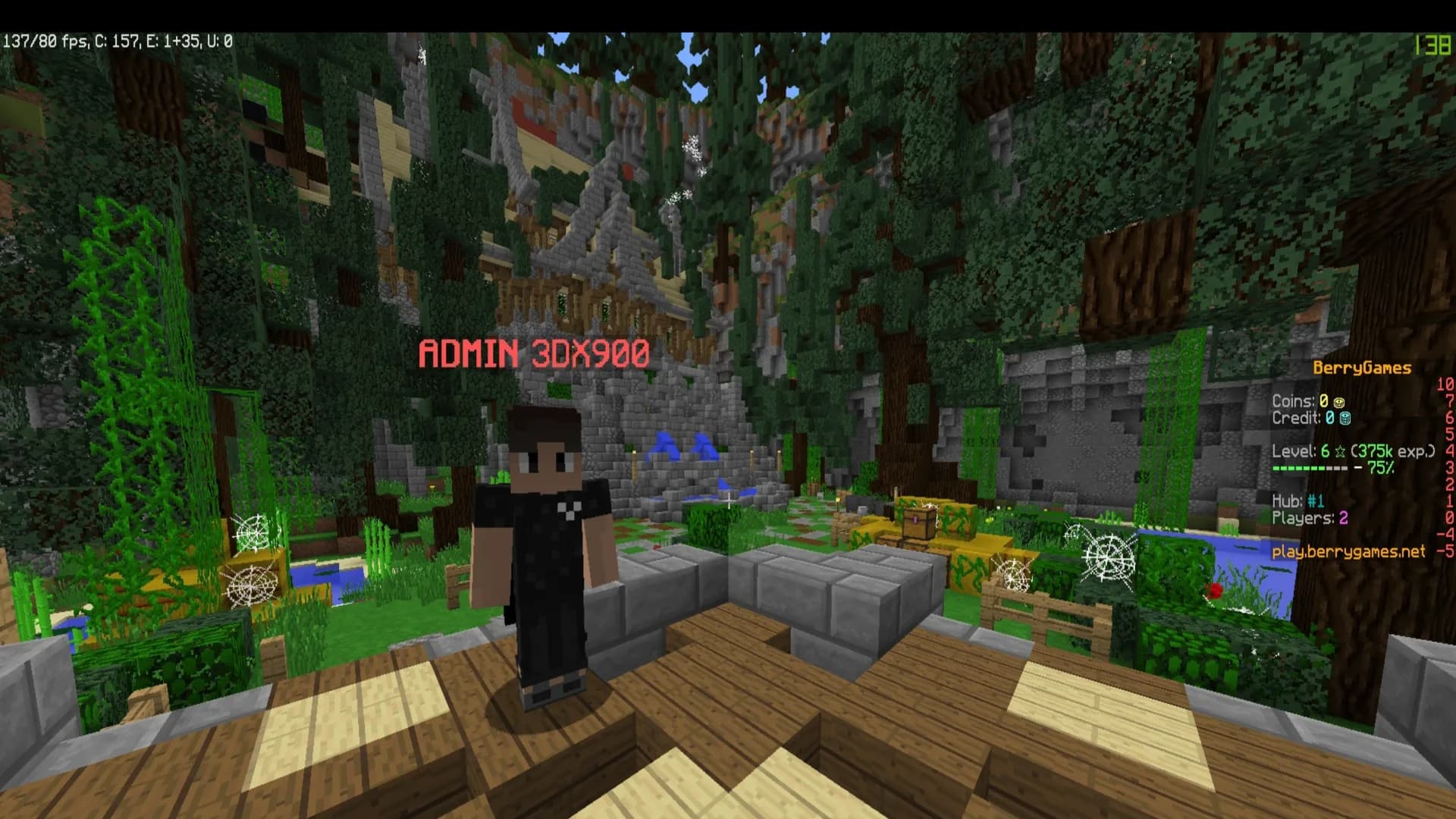
Lobby, with the progression scoreboard
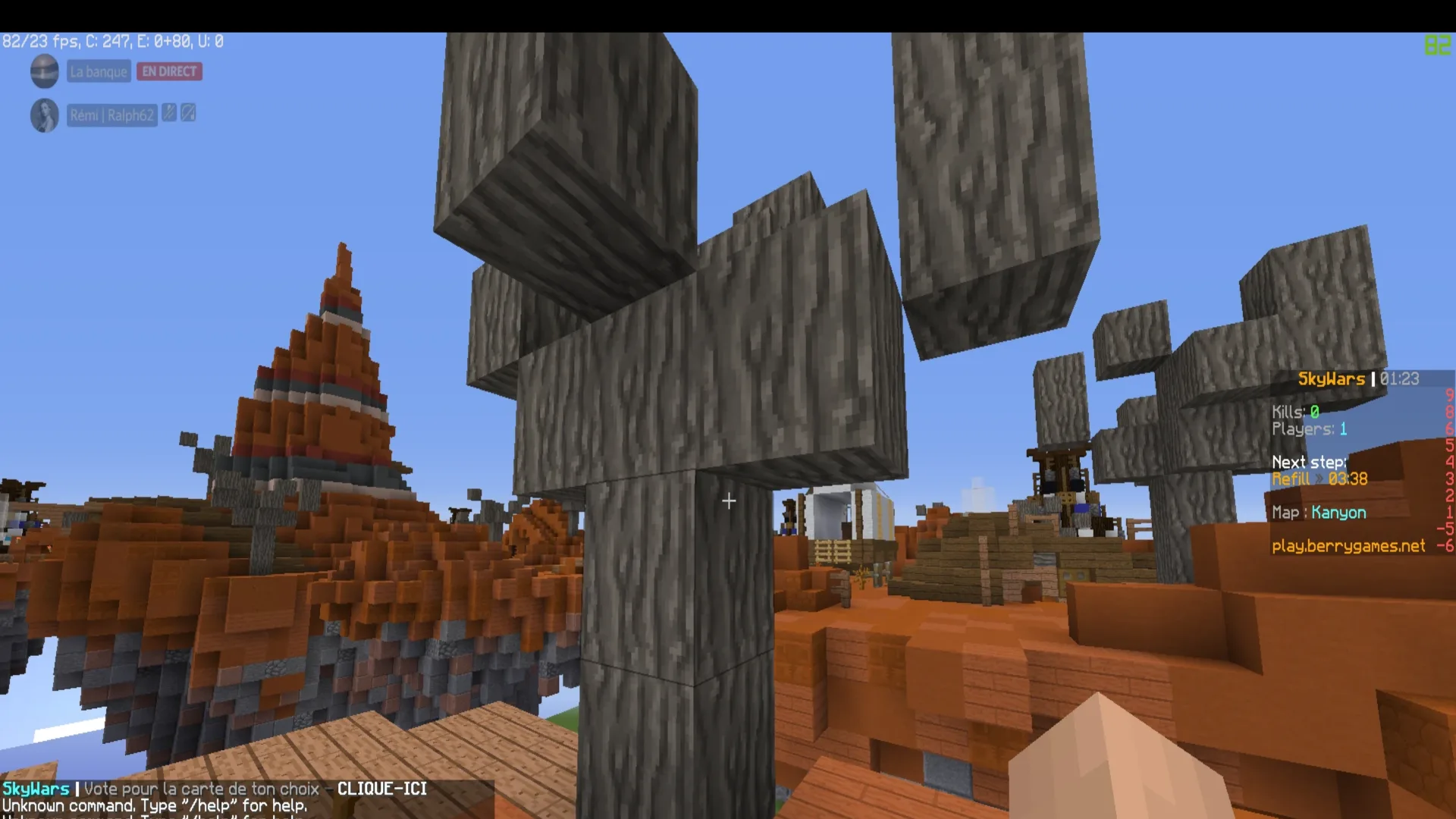
SkyWars, with map voting and kits
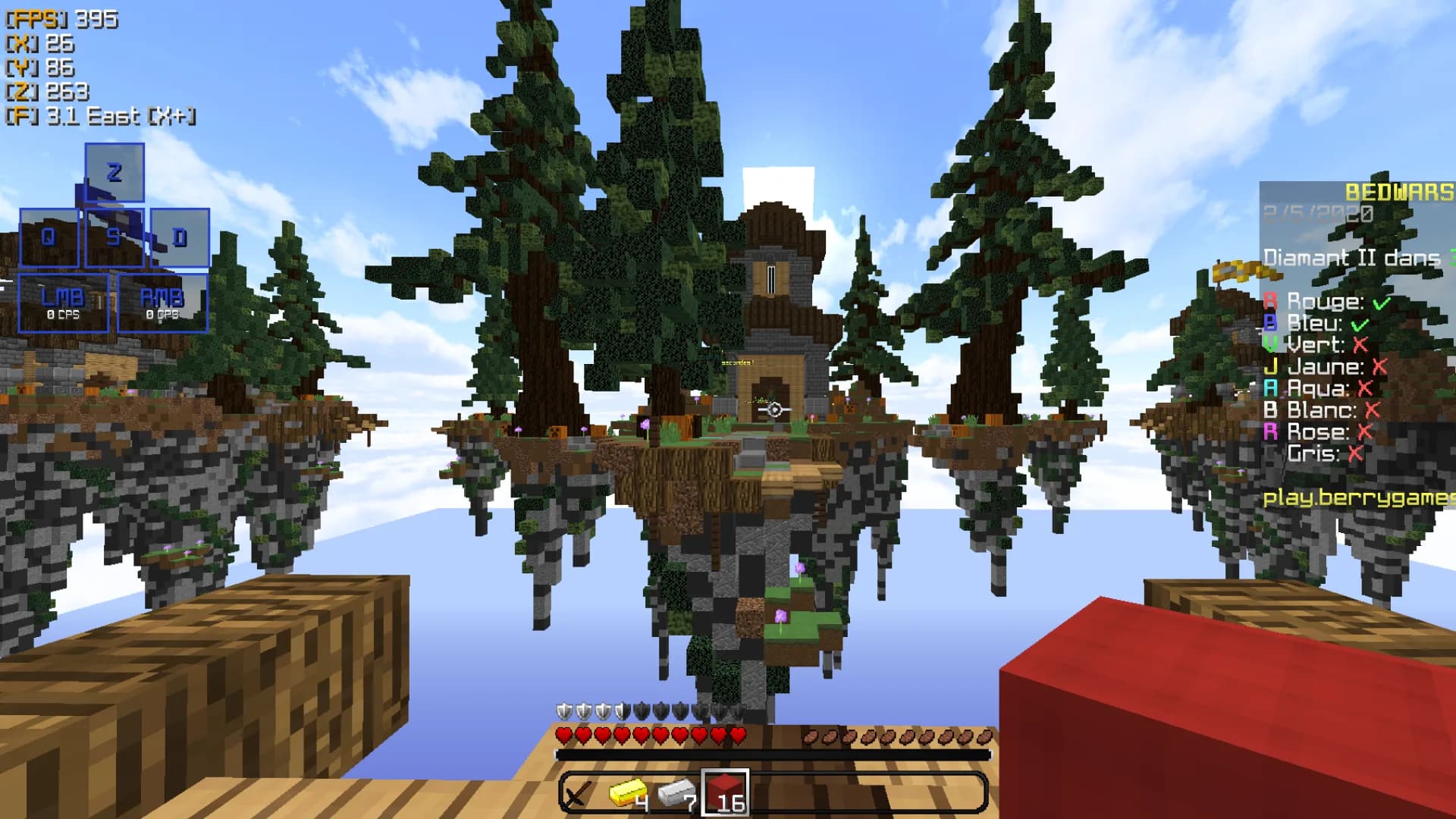
BedWars, eight teams and diamond generators
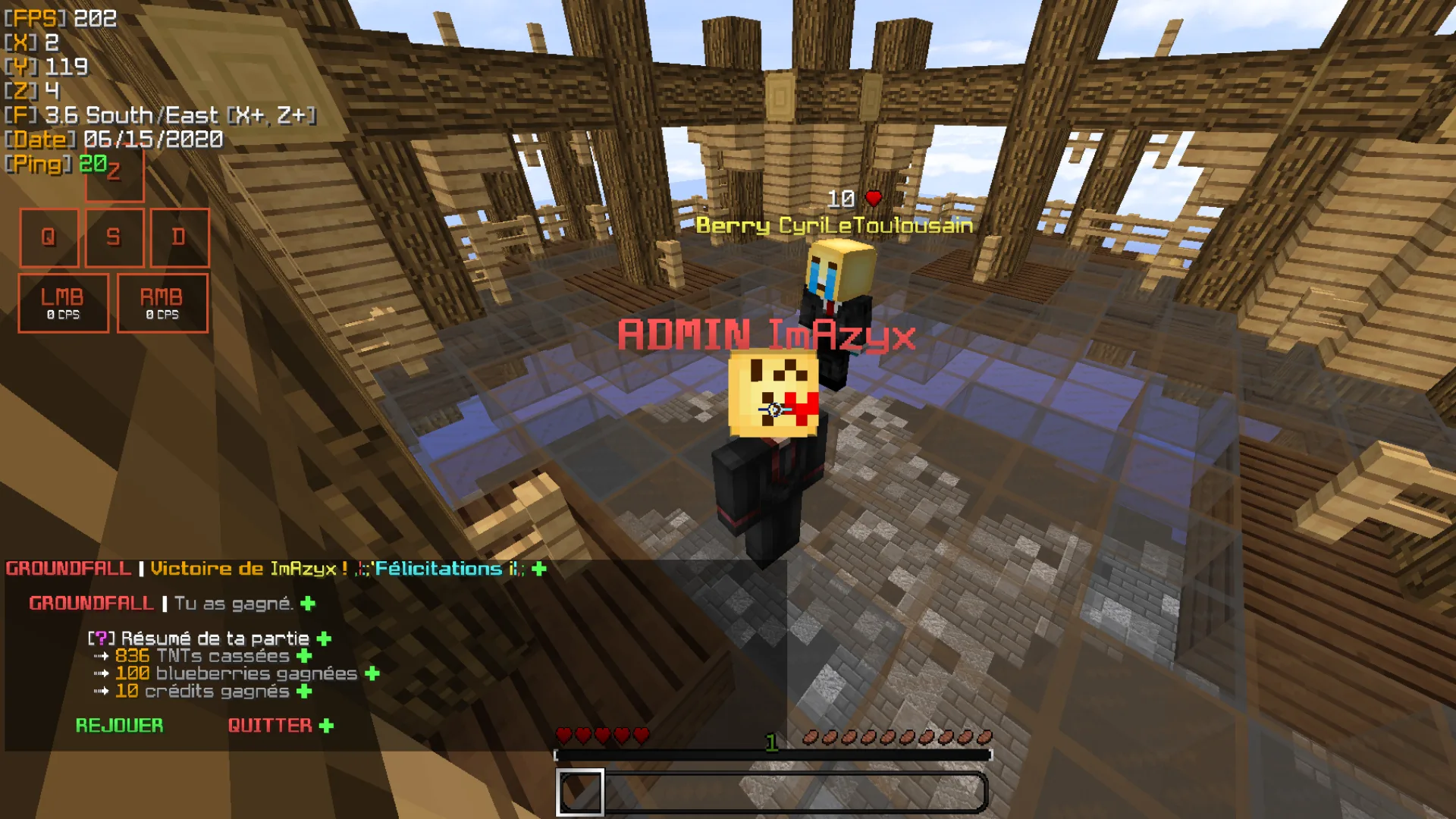
End of a GroundFall round and its rewards
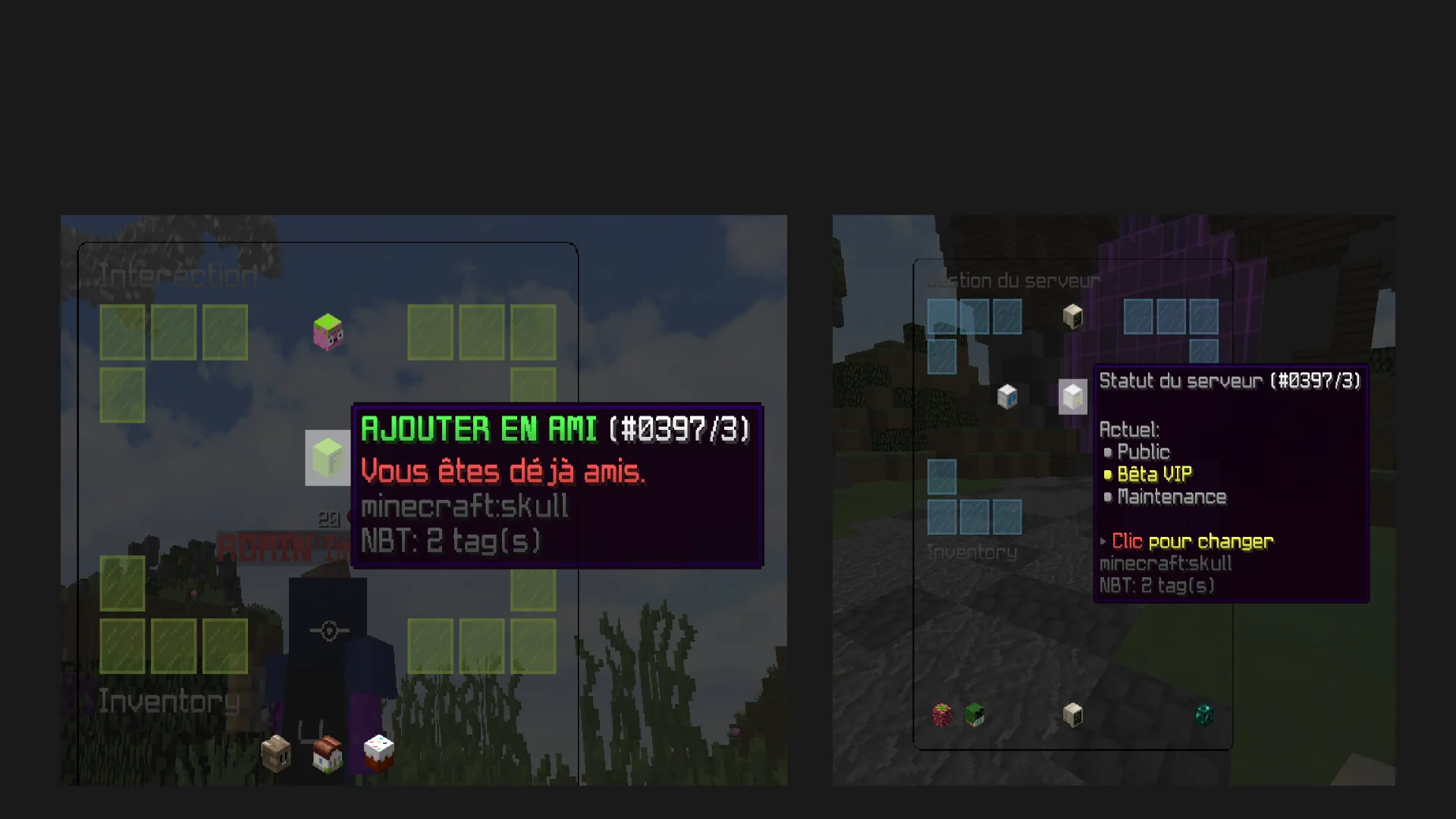
Friends menu and server management, both inside the game
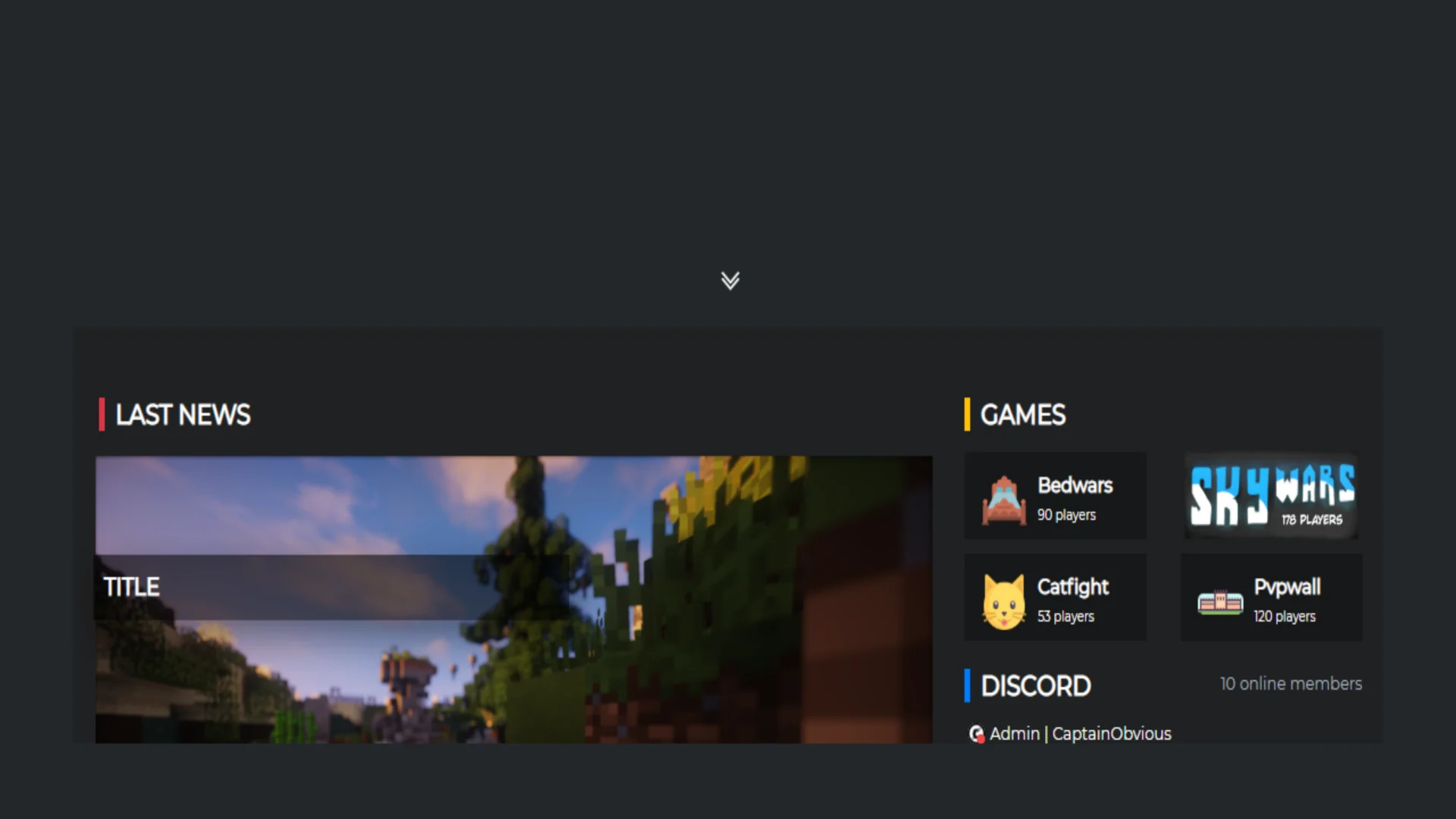
Community site, with live player counts per game
The team



Challenges encountered
Routing players across several servers while keeping the network feeling like one place
Carrying currencies, levels, and progress between games running on separate servers
Writing a distinct game loop, scoreboard, and reward table for each of the seven games
Giving staff the tools to run the network from inside Minecraft rather than a back office
Plugging a Symfony site into a XenForo forum so accounts and posts stayed in one place
Key learnings
Most of the work went into the proxy, the API, and the core before a single game could ship
Player counts and the Discord mattered more to the network than any individual feature
Builders, moderators, and community staff left no commits, so the repositories credit a fraction of the people involved
Running a network taught server architecture, moderation, and release management earlier than any client project would have
Future perspectives
All nine repositories are archived, and the network is offline